
Guides
How to Watch Live Football in Malaysia (2026/27)
How to watch live football in Malaysia: the channels carrying the Super League and internationals, how RTM and Unifi TV showed World Cup 2026, and Astro's role.
Updated 17 September 2026 · Kedafa editorial
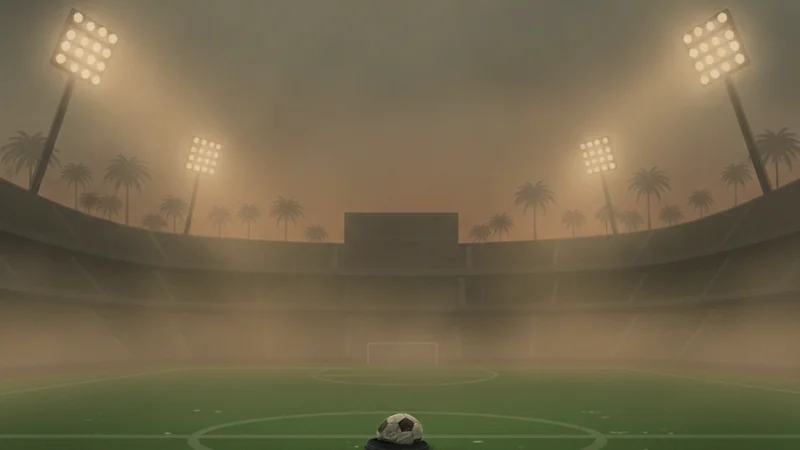
Every few years the smoke from land-clearing fires in Sumatra and Kalimantan drifts across the Strait of Malacca, the sky over the Klang Valley turns the colour of weak tea, and Malaysian football has to decide whether to play. September 2026 is one of those seasons. This guide explains the numbers that matter, the thresholds the league and the government use, which matches have already been moved, and what it all means if you play, coach or simply want to go to a game. It is current as of 17 September 2026.
Malaysia measures air quality with the Air Pollutant Index (API), published by the Department of Environment for monitoring stations across the country. The scale is banded, and the bands are what every guideline in this article refers to:
| API reading | Category |
|---|---|
| 0–50 | Good |
| 51–100 | Moderate |
| 101–200 | Unhealthy |
| 201–300 | Very Unhealthy |
| Above 300 | Hazardous |
Two readings drive most decisions. 101 is the point at which the air is officially unhealthy and schools and youth activities start to shut down. 201 is the point at which the professional game stops.
The New Straits Times reported in early September that the Malaysian Football League (MFL) has set 201 as its threshold for postponing matches. Below that, in the Unhealthy band from 101 to 200, matches go ahead with cooling breaks for the players. The stated reason is the calendar: with the Super League, the FA Cup, the ASEAN Club Championship and the AFC Champions League all running at once, the league has almost nowhere to put a postponed fixture.
That is a higher bar than the advice given to athletes generally. The Star reports that the National Sports Institute recommends reducing training duration and intensity at 101 to 200 and moving indoors above 200. It is a much higher bar than the one set for children: the Education Ministry requires schools to suspend all outdoor activities once the API passes 100, and to close when it passes 200. A professional footballer, in other words, may be asked to play ninety minutes in air that a schoolchild is not allowed to run around in.
The MFL has not published the policy as a formal document in the sources we have seen, and its own 2 September notice rescheduling Super League fixtures cites only “the increasingly concerning haze situation in Sarawak and Brunei” rather than a number. Treat 201 as the reported working threshold, not a rule you can read in a rulebook.
Youth and Sports Minister Taufiq Johari has said that every sports event held during the haze must comply with government guidelines and that each needs ministry approval, with decisions made on the basis of API readings. In practice that gives the state and federal authorities a veto above the league’s own threshold, and it has already been used: outdoor sport was prohibited in the red zones around Serian in Sarawak in early September, and Selangor postponed four Para Sukma events on 6 September at a reading of 169, well below the MFL’s 201.
The lesson for followers of the professional game is that the football authorities do not have the last word. If a local health directive says no outdoor activity, the match moves whatever the league’s threshold says.
Beyond football, the Johor Family Day carnival was postponed on the instruction of the Queen, and Malaysia has said it has a haze contingency plan for the 2027 SEA Games. The point is that this is a national problem being managed venue by venue, and football is one customer among many.
Postponing a match is easy. Finding a date for it is not. Malaysian clubs are already arguing with the league about congestion: Selangor coach Kim Pan-gon complained in September about being asked to play a league match and a cup tie within about 48 hours, and the MFL replied that the club had received the minimum two days of rest and travel time and that other clubs faced the same squeeze. Every haze postponement adds another fixture to a calendar that is also interrupted by the FIFA window at the end of September, when the FIFA ASEAN Cup takes the national-team players away.
That is the honest explanation for a 201 threshold. It is not that the league thinks unhealthy air is fine. It is that the alternative, postponing at 101, would in a bad season wipe out a month of fixtures with nowhere to replay them.
For players, the practical measures are cooling breaks, shorter warm-ups and, where readings climb, reduced training in the days before a match. For supporters the advice is simpler: check the Department of Environment’s published readings for the venue before you travel, expect kick-off changes at short notice when a station near the ground crosses 200, and follow the club’s official channels rather than the fixture list you saved a month ago. Stadiums in the Klang Valley, including the national stadium at Bukit Jalil, have historically seen some of the highest readings in the country during haze episodes, and evening kick-offs do not reliably escape them.
The haze is seasonal, regional and, so far, unsolved. Free Malaysia Today reported more than 800 hotspots in Kalimantan in mid-September, and the issue was raised at the ASEAN health ministers’ meeting the same month. For football that means this guide will be needed again, probably next year and the year after. We will keep the thresholds and the list of affected matches up to date; the date at the top tells you when we last did.
The New Straits Times reports that the Malaysian Football League's threshold is an Air Pollutant Index of 201, the start of the Very Unhealthy band. Matches go ahead at readings of 101 to 200 with cooling breaks. Local authorities and, for away matches in Brunei, that country's health ministry can override this.
Malaysia's Department of Environment grades the Air Pollutant Index as Good (0–50), Moderate (51–100), Unhealthy (101–200), Very Unhealthy (201–300) and Hazardous (above 300).
The FA Cup tie between DPMM and Terengganu was postponed on 2 September when Brunei's reading reached 215, and played on 9 September. On the same day the MFL rescheduled Super League fixtures because of haze in Sarawak and Brunei. Para Sukma events in Selangor were postponed at a reading of 169.
Youth and Sports Minister Taufiq Johari has said all sports events must follow government guidelines and need ministry approval based on API readings. The National Sports Institute advises reduced training at 101–200 and indoor training above 200, and schools must stop outdoor activities above 100.